In the coatings industry, whether you’re manufacturing paints, varnishes, or other surface treatments, choosing the right packaging is a crucial decision. Plastic pails and steel drums are the two most common packaging types used for storing and shipping coating products. Both offer significant advantages, but the choice between the two depends on several factors, such as chemical compatibility, storage requirements, shipping conditions, and sustainability.
This guide compares these two packaging types, looking at their design features, performance characteristics, and suitability for different coating formulations. Let’s explore the key differences and help you make an informed decision.
Why Packaging Choice Matters in the Coatings Industry
Selecting the right packaging for your coating products is not just about the physical container; it’s about ensuring that your coatings remain safe, effective, and compliant during storage, transport, and eventual use. Factors like product integrity, ease of handling, safety in transit, and regulatory compliance all influence the packaging decision.
Key reasons to choose the right packaging:
- Product purity and shelf-life: Ensuring your product doesn’t degrade or interact negatively with its container.
- Leak prevention and transport safety: Minimizing the risk of spills or exposure to external contaminants.
- Filling efficiency and plant operations: Making sure your packaging works smoothly in production lines.
- Retail appearance vs industrial handling: Choosing the right design for consumer-facing or bulk-distribution environments.
- Regulatory compliance: Ensuring the packaging complies with safety regulations, especially for hazardous materials.
What Counts as “Plastic Bucket” and “Steel Bucket” in This Market?
Plastic Pail / Plastic Bucket
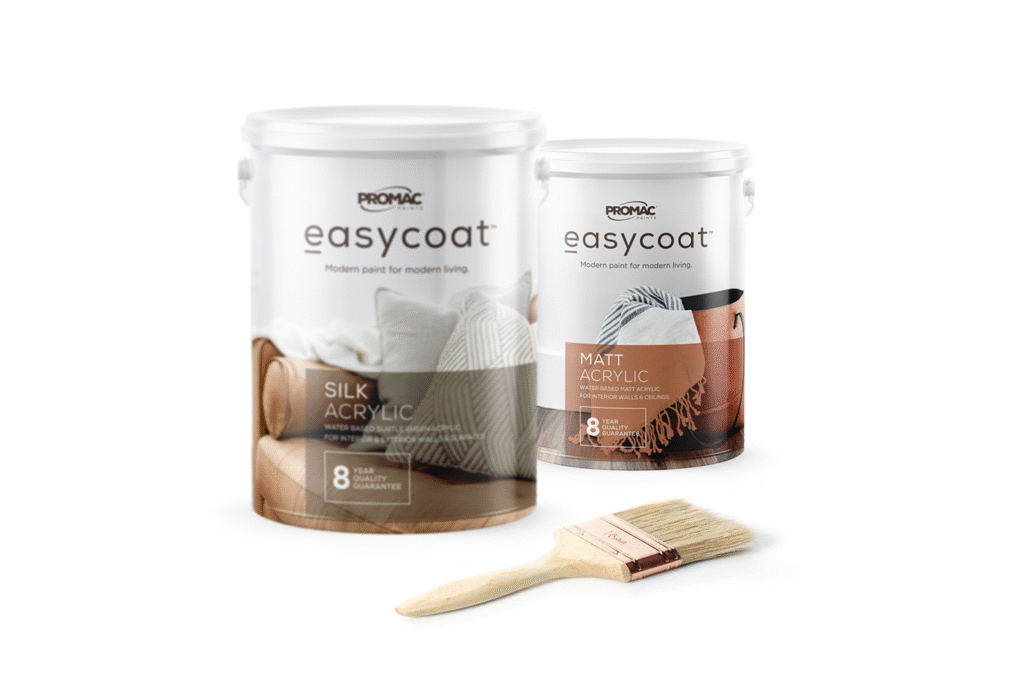
Plastic pails (or buckets) are rigid containers typically made from HDPE (High-Density Polyethylene) or PP (Polypropylene). They are lightweight, versatile, and available in a variety of sizes, ranging from 1-gallon to 5-gallon formats, and come in multiple shapes such as round, square, and rectangular. Commonly used for retail products and smaller packaging, plastic pails are well-suited for water-based coatings and latex paints.
Steel Pail / Steel Drum
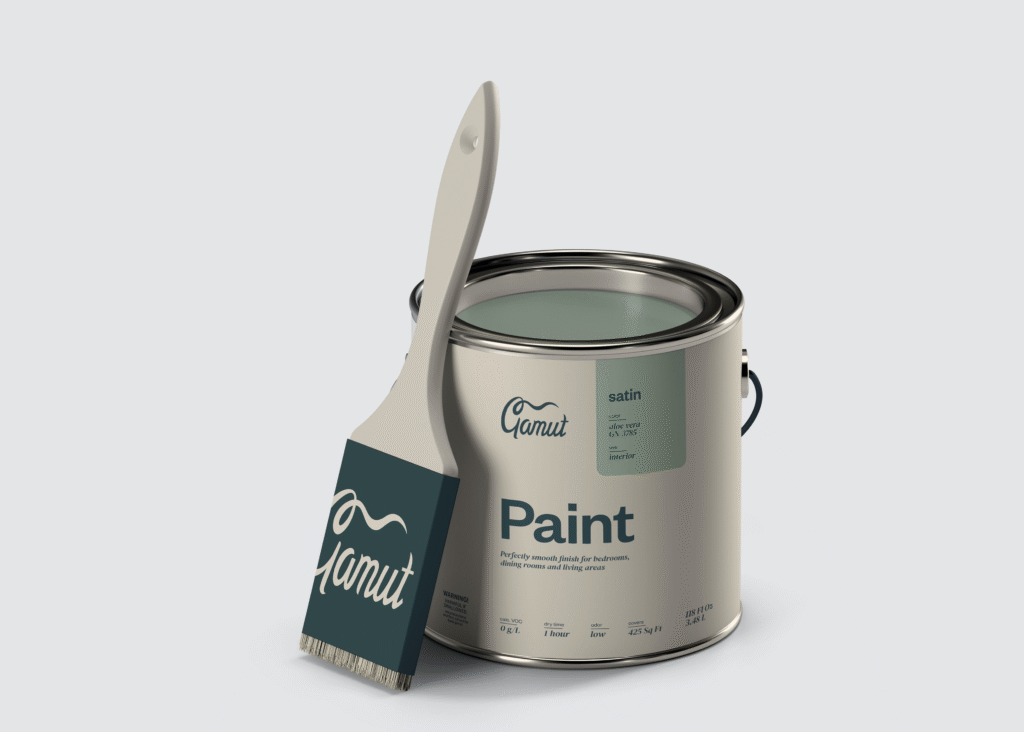
Steel drums (also known as steel pails) are made from high-strength steel and are often used for bulk transportation of industrial coatings. These are designed to handle highly reactive substances, solvent-based coatings, and larger quantities. Steel drums are available in various sizes, including 55-gallon drums and smaller steel pails. Steel containers can also come with protective linings that offer additional resistance to certain chemicals.
Plastic Pail: Main Design Features
Lightweight and Easier Handling
One of the biggest advantages of plastic pails is their lightweight nature. This makes them much easier to handle, especially when dealing with smaller packaging sizes, and more convenient for retail or contractor-grade products.
Dent-Resistant and Rust-Free
Unlike steel, plastic is resistant to corrosion and dent-free, making it the ideal choice for storing water-based paints and latex coatings that require clean and undamaged containers.
Flexible Decoration and Shelf Presentation
Plastic pails also offer flexibility when it comes to branding and decoration. Their smooth surface allows for easy labeling, helping you make your product more attractive to consumers.
Recyclable Material Options and PCR Options
Many plastic pails are made from recycled plastics (PCR), which adds an element of sustainability to their use. The fact that plastic is recyclable also makes it an environmentally-friendly option compared to metal containers.
Steel Drum / Steel Pail: Main Design Features
High Structural Strength for Bulk Handling
Steel drums are preferred for their strength and durability, especially when handling large quantities of coatings in bulk. These containers are designed to withstand the physical demands of industrial transport and handling.
Strong Stacking and Industrial Transport Image
Steel drums are typically used in industrial settings where bulk storage and transport efficiency are key priorities. Their robust design makes them ideal for stacking and warehouse storage, providing both durability and structural integrity.
Wide Use in Coatings and Inks
Steel pails and drums are commonly used to store and transport solvent-based coatings, industrial paints, and chemical additives, especially when these products require additional chemical resistance.
Internal Linings Available for Sensitive Formulas
Steel drums can be lined internally with coatings to protect sensitive formulations, ensuring that corrosive or highly reactive chemicals do not interact with the metal surface.
The Most Important Difference: Formula Compatibility
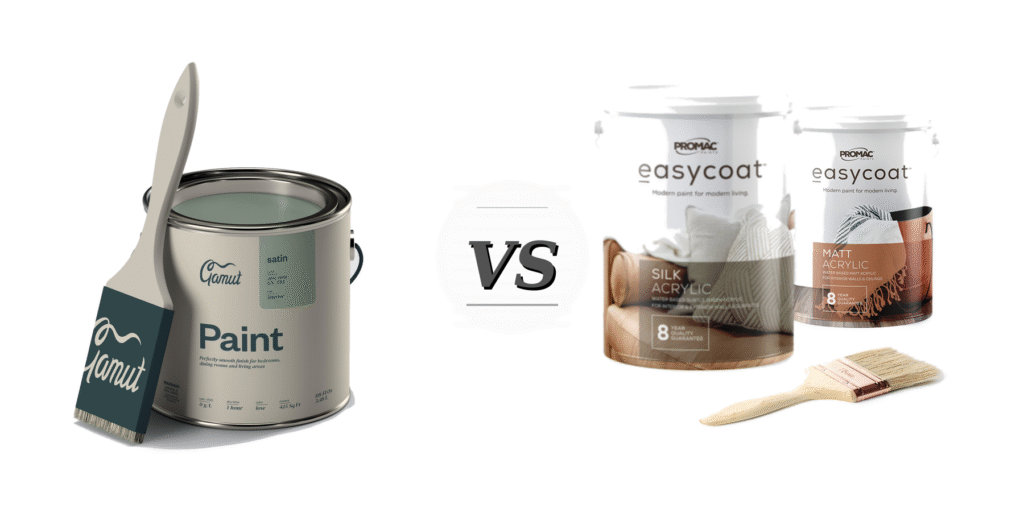
When Plastic Pails Are Commonly Preferred
Plastic pails are generally preferred for storing water-based paints, latex coatings, and smaller retail and contractor packs. They are also a good fit for lightweight paints or coatings that do not require additional chemical protection.
Advantages of plastic pails:
- Lightweight and easy to handle
- Suitable for water-based and latex paints
- Rust-resistant and dent-resistant
- Ideal for retail packaging and smaller volumes
When Steel Drums/Pails Are Commonly Preferred
Steel drums or pails are typically chosen when the coating formulation contains solvents, chemicals, or other highly reactive substances. They are also better suited for large-volume shipments where structural integrity and bulk handling are necessary.
Advantages of steel drums/pails:
- Suitable for solvent-based coatings
- Internal linings for added chemical resistance
- Bulk handling and industrial transport options
- Durability for long-term storage and stacking
Barrier and Permeation Performance
Where Steel Has an Advantage
Steel drums offer a stronger barrier against environmental factors like UV light, oxygen, and moisture, making them ideal for formulations that require maximum protection from external contaminants. They can also be equipped with special linings to protect coatings that are sensitive to chemical exposure.
Where Plastic Technology Is Improving
Plastic packaging is improving in terms of barrier performance as well. New barrier technologies like multi-layered plastics are being introduced to increase protection against oxygen, carbon dioxide, and moisture, making plastic pails a better option for certain formulations.
Filling, Opening, Mixing, and End-User Convenience
Plastic Pails for Frequent Open-Closed Use
Plastic pails are easy to open and close, making them convenient for products that require frequent access, such as retail paints or contractor-grade coatings. The easy-to-handle lids make them ideal for mixing and using the product in a variety of settings.
Steel Drums for Bulk Filling and Plant-Side Dispensing
Steel drums are often filled in bulk and used for plant-side dispensing where larger quantities are required. They are ideal for industrial applications where the packaging is not opened frequently.
Which Format Works Better for Contractor, Retail, and Factory Users
For contractors, plastic pails are the preferred option, as they are easier to handle and transport. For retail users, they offer great branding opportunities and ease of access. For factories, steel drums are preferred for bulk production and handling efficiency.
Transport, UN Ratings, and Compliance
Why Hazardous-Material Rules Affect Packaging Choice
Both plastic pails and steel drums must comply with regulations for transporting hazardous materials. They need to meet UN/DOT standards for safety, ensuring that the packaging is leak-proof and secure during transport.
What Buyers Should Check on Both Packaging Types
When selecting packaging for coatings, buyers should check for:
- UN rating for hazardous-material compliance
- Closure system (tight-fitting lids)
- Internal linings for steel drums
- Compatibility with chemicals
Cost Logic: Unit Cost vs Total Packaging Cost
Upfront Packaging Cost
Plastic pails tend to have a lower upfront cost compared to steel drums. However, the overall cost depends on the type of coating, packaging size, and transportation requirements.
Freight, Handling, and Warehouse Efficiency
Steel drums can be more efficient in warehouse environments due to their stackability and larger volume. Plastic pails are easier to handle and transport in smaller batches.
Reuse, Reconditioning, or Recycling Potential
Steel drums can often be reconditioned and reused, which may offer cost savings in certain operations. Plastic pails are recyclable but may not be as easily reused.
Sustainability and End-of-Life
Plastic Pails: Recyclability and Recycled-Resin Options
Many plastic pails are made from recycled materials and are themselves recyclable at the end of life. This makes them an environmentally friendly option.
Steel Drums: Reuse, Reconditioning, and Recycling Pathways
Steel drums are often reconditioned for reuse and recycled when no longer needed, making them a sustainable option in some cases.
Conclusion
When deciding between plastic pails and steel drums for your coating products, consider the specific needs of your product, distribution process, and end-user experience. Plastic pails are best for lightweight, retail-oriented, and water-based paints, while steel drums are more suitable for industrial bulk handling, solvent-based coatings, and long-term storage.
By understanding the unique features and applications of each packaging type, you can ensure that your coatings are stored, transported, and handled efficiently and safely.