
The art of DIY pickling and fermenting foods has surged in popularity, with home cooks and small businesses alike embracing the tangy, flavorful world of pickles, sauerkraut, and kimchi. A critical component of successful pickling is choosing the right container—a pickle bucket—that ensures safety, hygiene, and flavor preservation. Not all plastic buckets are suitable for food fermentation or pickling, as the wrong material can compromise safety and taste.
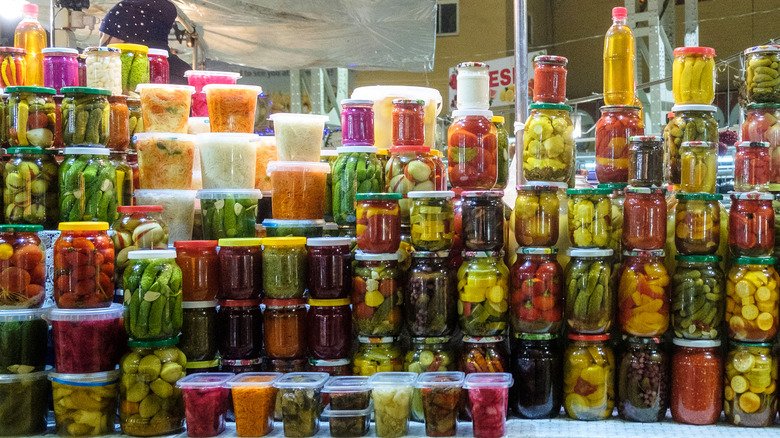
Understanding Pickle Container Requirements
Pickling Process
Pickling involves preserving food in an acidic environment (like vinegar or brine) or through fermentation, where beneficial bacteria thrive. The container plays a vital role in maintaining an airtight, corrosion-resistant, and hygienic environment to ensure proper fermentation and storage.
Key Requirements for Plastic Buckets
- Acid Resistance: Pickling liquids, such as vinegar or salty brine, can corrode certain plastics, so the bucket must withstand these conditions.
- Non-Toxicity: The plastic must not leach harmful chemicals into the food.
- Airtightness: An airtight seal prevents air from entering, which could disrupt fermentation or spoil the pickles.
Best Plastic Materials for Pickling Buckets
What Is Food-Grade Plastic?
Food-grade plastic is certified to be safe for direct contact with edible products. It does not contain BPA or other harmful additives and complies with FDA or equivalent safety standards.
Key Features of a Suitable Pickle Bucket
- Non-Toxic and BPA-Free: Safe for prolonged contact with acidic brine.
- Airtight Lid: Prevents contaminants and supports anaerobic fermentation.
- Easy to Clean: Smooth interior surfaces reduce bacterial buildup.
- Opaque or UV-Resistant: Protects pickles from light degradation.
- Durable Design: Reinforced walls and sturdy handles ensure longevity and ease of use.
Recommended Plastics for Pickle Buckets
High-Density Polyethylene (HDPE) Bucket:
Advantages: Durable, acid-resistant, and cost-effective.
Common Uses: Food storage and pickling.
Identification: Look for “HDPE” or recycling code “2” on the bucket’s bottom.
Polypropylene (PP) Bucket:
Advantages: High heat resistance (ideal for hot-fill pickling) and strong chemical stability.
Identification: Recycling code “5”.
Materials to Avoid
Polyvinyl Chloride (PVC): May release harmful substances.
Non-Food-Grade Plastics: Household buckets may contain BPA or other additives unsafe for food.
Ideal Bucket Sizes for Home and Commercial Pickling
Choosing the right bucket size depends on your pickling needs:
- 5-Gallon Buckets: The most common choice for both home and small-scale commercial use, offering ample space for large batches.
- 1-10 Liters Bucket: Ideal for small batches or home kitchens with limited storage.
- 50-100 Liters or Larger Bucket: Best for restaurants or commercial producers handling high volumes.
Selecting the appropriate size ensures efficient use of space and ingredients while maintaining quality.
Plastic Buckets vs. Glass Jars and Ceramic Crocks
Comparison of Materials:
Plastic Buckets
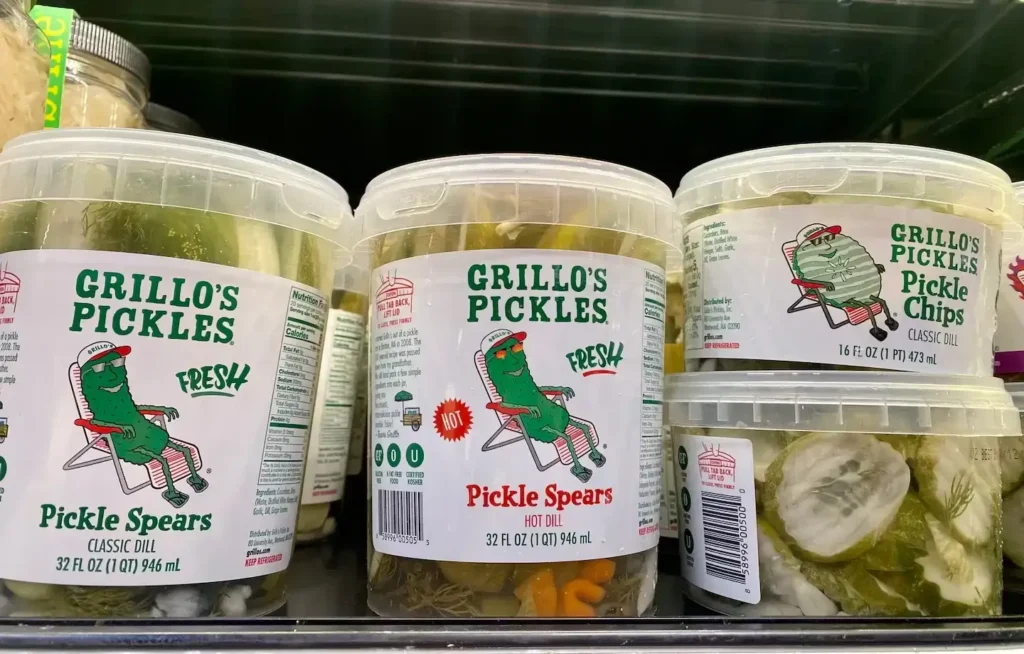
- Pros: Lightweight, cost-effective, and available in various sizes for flexible storage. PP clear bucket allows easy visual monitoring.
- Cons: Risk of chemical leaching if non-food-grade plastics are used.
Glass Jars
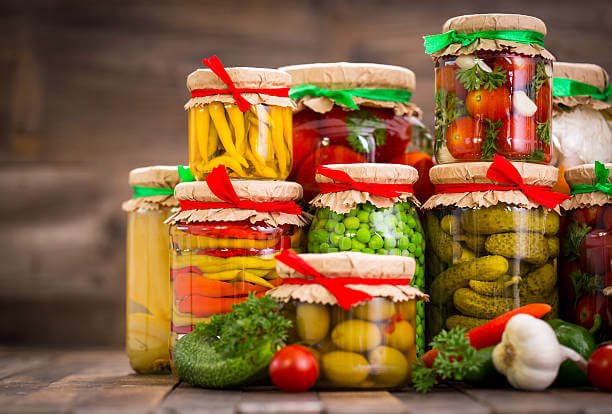
- Pros: Non-reactive, eco-friendly.
- Cons: Fragile, expensive, and impractical for large batches.
Ceramic Crocks
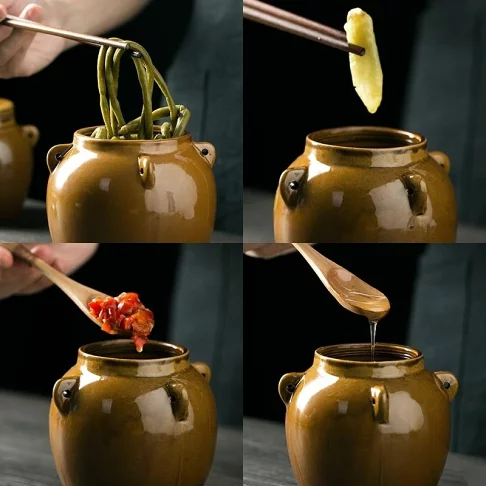
- Pros: Traditional aesthetic, non-reactive, and durable.
- Cons: Heavy, costly, less portable, and opaque, making it difficult to monitor contents.
Why Choose Plastic Buckets?
For companies aiming to balance cost-efficiency, scalability, and ease of use, plastic buckets—especially food-grade PP clear buckets—offer a reliable solution. They are lightweight, impact-resistant, and available in transparent models that allow for real-time process observation, rivaling the visibility once unique to glass jars.
By choosing certified BPA-free and food-grade materials, businesses can eliminate safety concerns while benefiting from the operational advantages that plastic containers provide across manufacturing, agriculture, and food processing sectors.
Recommended Use Cases and Tips
Food-grade plastic buckets are perfect for making sauerkraut, kimchi, pickled cucumbers, and other fermented foods. Their durability and airtight seals make them a go-to choice for consistent results.
Practical Tips
- If unsure about a bucket’s quality, use a food-safe liner bag to add an extra layer of protection.
- Cleaning and Sanitizing: Before use, wash with hot water and food-safe detergent, then sanitize with a diluted bleach solution (1 tablespoon per gallon of water) or a food-grade sanitizer.
- Store buckets in a cool, dry place away from sunlight to prevent material degradation.
Conclusion
A safe, high-quality plastic pickle bucket is essential for ensuring food safety and preserving the vibrant flavors of your fermented creations. Opt for food-grade HDPE buckets with airtight lids for the best results. Ready to start pickling? Explore professional-grade, food-safe pickle buckets at wholesale prices from certified manufacturers to elevate your pickling game.